New field guide shows: recognising ditch differences enables more targeted management |
|
|
|
|
 |
| 262 sec |
Practical guidance for better management, but sometimes not yet concrete enough
A ditch is rarely just a ditch. The new field guide for ecological ditch management shows how strongly mowing frequency, machine choice and soil type influence outcomes. The guide mainly offers practical guidance, including "what-if" situations and examples of what can go wrong. In practice, however, ecology, water discharge and safety still regularly clash. The question therefore remains: how workable are the recommendations for managers and machine operators who have to deal with these choices on a daily basis?
| Cover of the new Field Guide for Ecological Ditch Management |
Edwin Dijkhuis of Floron is one of the authors of the new booklet: "The three of us wrote the booklet: Anthonie Stip (De Vlinderstichting), Jelger Herder (Ravon) and myself, but there was also a guidance group involved. Water authorities, the province of North Holland, the agricultural collective and us as species organisations - all perspectives are included." Data from the National Database Flora and Fauna (NDFF) and the European Water Framework Directive (WFD) system are also used.
Practice comes first
Practical applicability is central to the guide. Dijkhuis: "Above all, it had to be workable. We wanted to give managers real tools for what they encounter in the field." That is why the guide includes percentages for phased mowing, guidance on machines and tips to protect fauna. Common problem situations are also described. "That's why we added 'what-if' situations. That immediately gives you a direction."
The book also points out what can go wrong, such as ditches that are completely cleared in one go. Dijkhuis: "Then you lose all shelter for fish and macrofauna in a single stroke. And it's not only sensitive species that are affected. We really wanted to break that pattern."
Soil determines management
The guide shows how strongly ditch management differs by soil type. "You can already see from the vegetation what kind of ditch you are dealing with," says Dijkhuis. "We immediately link management to that: how often to mow, how to mow and which machine fits best." Customisation is needed for protected species. "For most species, the generic approach described in the field guide is suitable, but some species require a different mowing moment or less frequent mowing."
When it comes to machines, the message is clear: "The flail mower is essentially a large mincer. Any fauna that ends up in it has no chance of survival."
 | | Edwin Dijkhuis |
|
|
 | | Anthonie Stip (image: Kim Huskens, De Vlinderstichting) |
|
|
 | | Jelger Herder |
|
|
Ecology and water discharge sometimes clash
The ecological advice in the guide sometimes goes further than what is prescribed in water authority regulations for water discharge. The guiding question when writing the field guide was which management approach best supports biodiversity. "That regularly led to discussions," Dijkhuis says. For such advice, the guide therefore includes a reference to the official regulation. "What you can adjust in management always depends on the available capacity for water discharge. That remains a hard limit."
In practice, choices around costs and safety also play a role. "Where management becomes more extensive to save money, shrubs and trees start to grow. Then you end up needing the flail mower again and get stuck in a dilemma."
Machine choice determines damage
The way mowing is carried out largely determines the damage to flora and fauna. "We indicated the percentages, the best timing for mowing and which machine causes the least damage." Not every technique works everywhere. "In peat meadow areas, you often have very shallow slopes. There a band rake works well. But on a steep slope of several metres, part of the cuttings remain on the slope. Not every machine can be used everywhere."
Organisation remains out of scope
The guide focuses on execution and technique, but not on organisational aspects. Dijkhuis: "We really made a practical field guide. Financial and organisational choices were not elaborated, partly due to the limited size of the booklet."
He does point to bottlenecks related to implementation: "Cut vegetation often remains on the bank. That leads to scrub development and softer banks. That is difficult and sometimes unsafe for people carrying out the work."
No two ditches are the same
The field guide indicates what is possible per area and ditch type. "It can be applied throughout the Netherlands," says Dijkhuis. "But we have elaborated some species and situations separately. That is custom work."
Monitoring also receives attention. "With the Shore Index, you can easily track bank vegetation. If vegetation changes or becomes overgrown, you can adjust management. Our starting point is species conservation; that is what we stand for. Within the guidance group, there was sufficient counterbalance from water authorities and the agricultural collective."
Bottlenecks in machine practice
But how well do the described management measures align with the daily practice of water authorities, contractors and land managers? Erik Punt, director at De Eijk Groep: "We naturally respond to the demand for ecological management and closely follow the latest technical developments. We do this together with Wim van Breda, our supplier of specialised equipment for maintaining roads, verges and ditches."
According to Gerrit Wieberdink, sales adviser at Wim van Breda, the guide is useful but not always concrete enough for those who have to work with it: "For machine operators, it could be clearer, especially when it comes to safety. That issue keeps coming back in practice. The safety aspect is often underestimated, even though it affects everything."
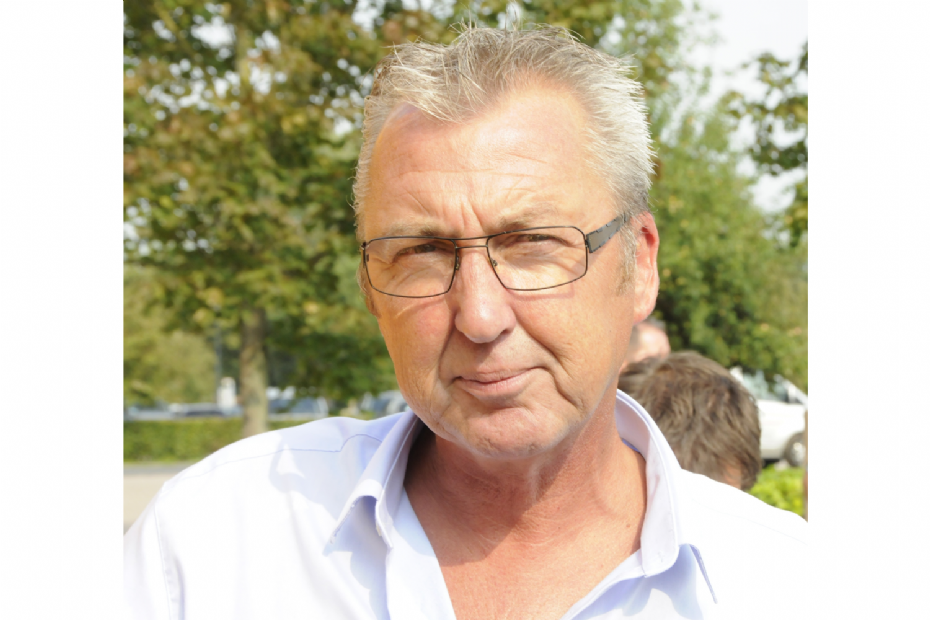 | | Gerrit Wieberdink |
|
|
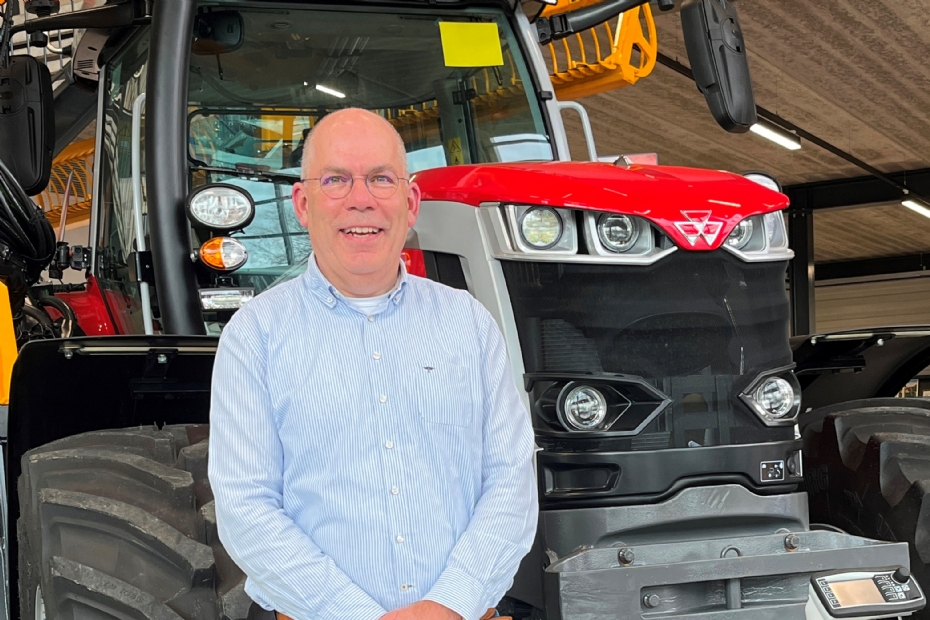 | | Dick van Breda |
|
|
Flail mowing ban
The new code of conduct of the water authorities also creates uncertainty. The general ban on flail mowing has a major impact, according to Dick van Breda, director at Wim van Breda: "It has major consequences for working methods in different areas. In practice, choices are now often made based on feeling and individual judgement. That makes it difficult to choose one clear direction."
Wieberdink also points out that variation between areas is large, even within a single work section: "Between the start and the end of a plot, many factors can already differ. You cannot say: this is how it is. It remains custom work." This variation also affects costs and feasibility: something may be workable on paper, but financially unviable.
Finally, Van Breda notes that rules and supervision do not always align: "One organisation checks whether you comply with the code of conduct and another checks safety. And those do not always align."
Broader research into mowing methods needed
According to Paul Hendriks of Waterschap Hunze en Aa's, the field guide fits well with the habitat-based approach that water authorities have been using for years, and which was also applied in Kleurkeur Blue. He sees the discussion on mowing methods, such as flail mowing, as broader than just direct damage to fauna. "The flail mower is clearly harmful, but other machines sometimes require more frequent mowing, which again causes disturbance. Safety, soil type and heavy vegetation also play a role."
That is why water authorities first want thorough research into mowing machines, including how and where they are used, what happens to remaining cuttings and how vegetation changes. "This research will be discussed further with all species organisations in the near future."
|
|
Create conditions in which species can occur, without having to first locate every species or even every individual
| |
|
Protected species require a workable approach
Hendriks finds the field guide clear and usable, but points to an issue with protected species. "In practice, these are often difficult to find, while legislation requires measures to be based on actual observations. Water authorities therefore argue for a more generic ecological approach: create conditions in which species can occur, without having to first locate every species or individual."
According to him, this is a systemic issue. He expects that new knowledge may change the guide in the future. "The current version is a good start," he says, "but any future adjustments should be made jointly."
The field guide provides a solid basis for ecological maintenance, but daily practice shows that ecological ambitions only work when rules, safety and feasibility are better aligned.
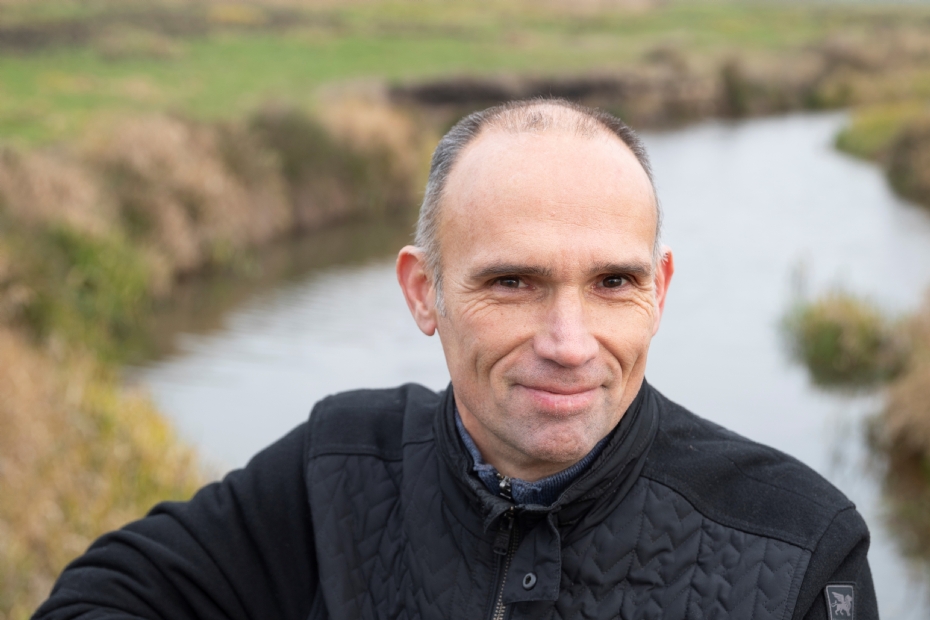 | | Paul Hendriks |
|
|
This article was previously published on 2 February 2026 on the website of Stad + Groen:
stad-en-groen.nl.
| Stichting Groene Erkennin... | |
| |
| LOG IN
with your email address to respond.
|
|
|
| There are no comments yet. |
|
| |
Anyone can place small ads for free through their own account.
Place a free ad
|
|
|
|








