Wisselspoor: industrial past given a green future |
|
|
|
|
 |
| 138 sec |
Redevelopment in Utrecht connects heritage, housing and climate-adaptive green space
In Utrecht, a new residential area called Wisselspoor is being developed on the former site of the Koninklijke Nederlandse Fabriek voor Werktuigen en Spoormaterieel. The 12-hectare site will include nearly 1,200 homes, combined with work functions and green public space. Developer Synchroon is working together with Delva Landscape & Urbanism, the municipality of Utrecht, Hooijer and SmitsRinsma. The latter is responsible for the implementation of the outdoor space.
| Wisselspoor: industrial past given a green future |
The project has been underway since 2020 and is still in development. The ambition is to create a district where living, working and staying come together, while preserving the industrial character of the location.
Industrial heritage as a foundation
What sets Wisselspoor apart is the visible link with its past. Thousands of people once worked here building trains. This history remains recognisable in the new design. Monumental buildings are preserved and given new functions within the district. References to the railway past are also reflected in the public space, such as reused rails, switches, sleepers and buffer stops. Project leader Ivo Stevens of SmitsRinsma calls preserving identity an important starting point: 'We did not want to erase the past, but to make it visible in the new design.' Existing materials are also reused wherever possible. 'By reusing materials, the history literally remains part of the district.'
|
|
'Trees that are already there have a value that is not easily replaced. So you try to preserve them'
| |
|
Green structure as a connecting element
Green space plays a central role in Wisselspoor. The district will feature a network of parks and green streets, with extensive planting and hundreds of trees. This green structure connects the different functions within the area. Living and working are closely integrated, with public space serving as a meeting place. 'Green forms the link between living and working. It makes the district liveable and creates connection.' Existing mature trees are preserved wherever possible, giving the area an established character from the outset. 'Trees that are already there have a value that is not easily replaced. So you try to preserve them.'
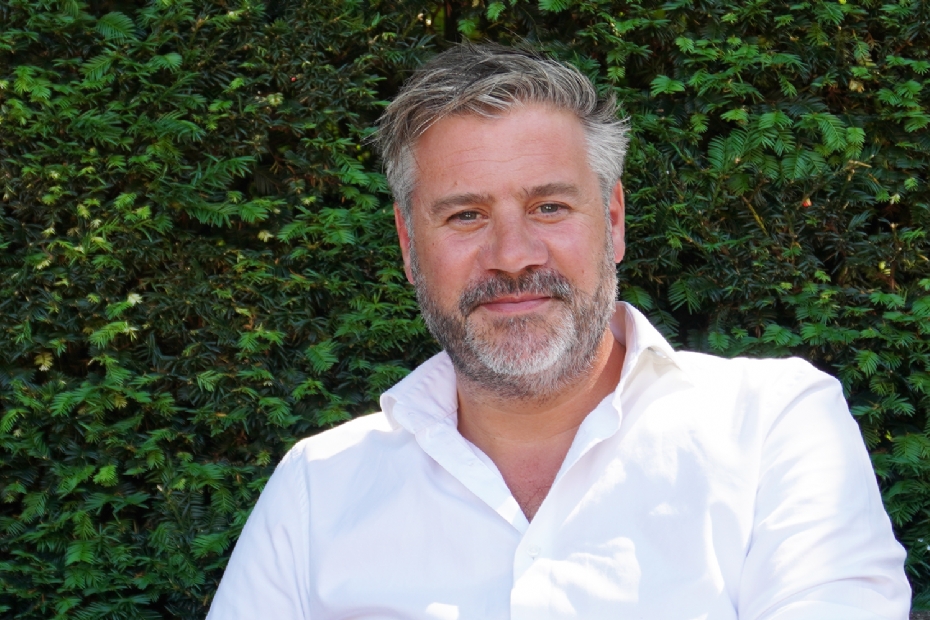 | | Ivo Stevens, SmitsRinsma |
|
|
Climate-adaptive and nature-inclusive
Water management is a key part of the design. Rainwater is collected and infiltrated locally into the soil, including through lowered planting beds. Water flows from paved surfaces into these beds, directly benefiting the soil and vegetation. In addition, water from surfaces and roofs is drained via gullies and pipes to underground infiltration crates, applied throughout the area. This approach helps manage peak rainfall and contributes to a robust water system. It also creates space for diverse planting, strengthening biodiversity. 'We combine water storage with greenery, so the system serves multiple functions.' The green layout also provides cooling during warm periods, addressing increasing climate pressure in urban areas.
|
|
The district will feature a network of parks and green streets, with extensive planting and hundreds of trees
| |
|
Paving with a story
Not only the greenery, but also the paving refers to the site's past. Concrete slabs are used in the public space that reference the former NS factory from 1828. This choice gives the district a robust appearance and keeps its industrial history visible. 'The paving is not arbitrary. It tells something about what used to be here.' The contrast between hard materials and greenery creates a layered streetscape.
Mobility and sustainable choices
Wisselspoor is designed with attention to sustainable mobility. Cycling is central, and there is space for shared mobility such as electric cars. The district will also be entirely gas-free. 'We are building for the long term, so sustainability is not an extra, but a basic condition.'
|
|
'We combine water storage with greenery, so the system serves multiple functions'
| |
|
From industry to mixed urban area
With Wisselspoor, a former industrial site is being transformed into a mixed urban district. The combination of heritage, new construction and greenery is intended to create a recognisable and functional living environment. Construction will continue in the coming years. Maintaining the balance between old and new remains an important focus. 'It is about finding the right balance: making room for development without losing the character of the place.'
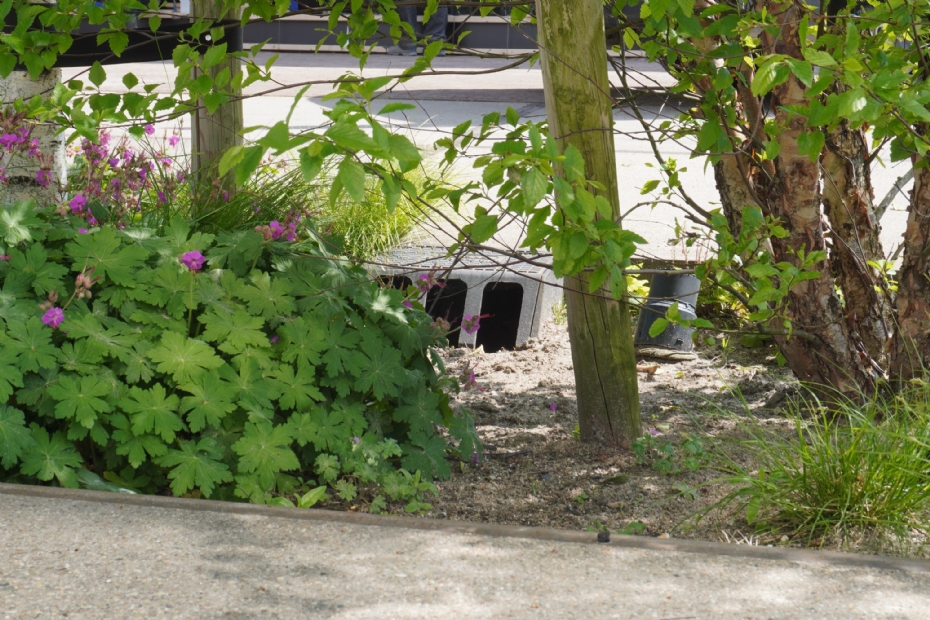 | | Gully |
|
|
This article was previously published on May 1, 2026 on the website of Stad + Groen.
| DELVA Landscape Architect... | |
| |
| LOG IN
with your email address to respond.
|
|
|
| There are no comments yet. |
|
| |
Anyone can place small ads for free through their own account.
Place a free ad
|
|
|
|